
Guided Montana Fly Fishing in the Bob Marshall Wilderness
The Bob Marshall Wilderness offers exceptionally rare opportunities for fishermen of any skill level. Getting to these remote backcountry streams isn’t easy, and knowing the river takes years. Our fishermen return for years to experience this renowned water.
Fly fishing Montana is on the bucket list of many experienced anglers, but the majority of the famous streams in the West have a lot of daily pressure from shore, as well as drift boats and even pack pack rafts. Even streams with high densities of fish you will still have daily conditions that make for a very competitive experience.
It’s totally different here. The east-side Bob Marshall Rivers do not get significant fishing pressure. You will rarely see anyone else on the river, on any given summer day. You can walk several miles of riverbank and not come across even a human footprint. The backdrop scenery is spectacular, vibrant, unspoiled. No road noise, no boats floating through, no one else.
Finally, anglers on the major western fisheries tend to have mixed success with dry flies. Fish are leary with pressure, and are disinclined to come to the top of the water to feed. This is the most significant difference we have – these trout are aggressive top of the water feeders. They do not have pressure to change their behavior, so when the terrestrials are out on a warm day these trout are supremely active. Dry flies rule the day and catching 30, 40, 50 fish a day on dry flies is hard to match anywhere in the world.
If you’re looking for that extraordinary Montana fishing experience, you should definitely look into a trip with us.
What trip works for You?
July Fishing Adventures
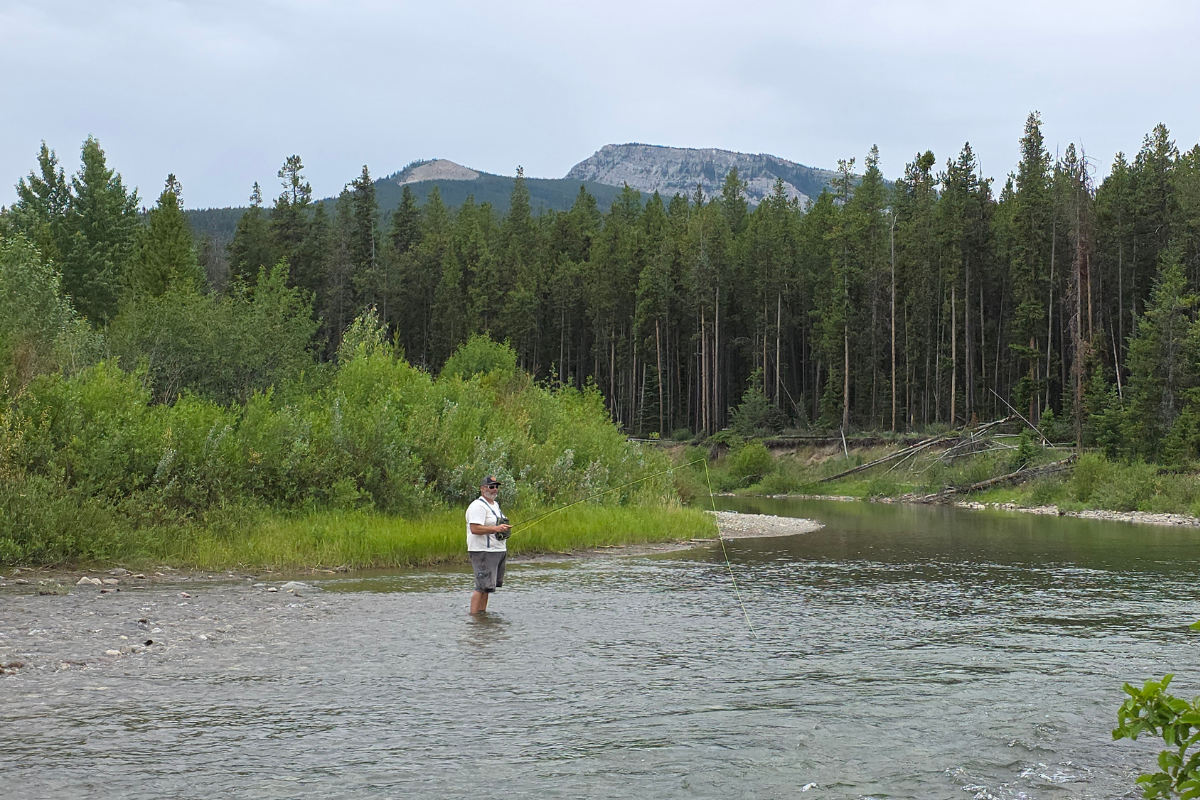
Forks of the Sun River
Spectacular early summer progressive camp fishing trip! Great water, lots of terrestrials, tons of action.
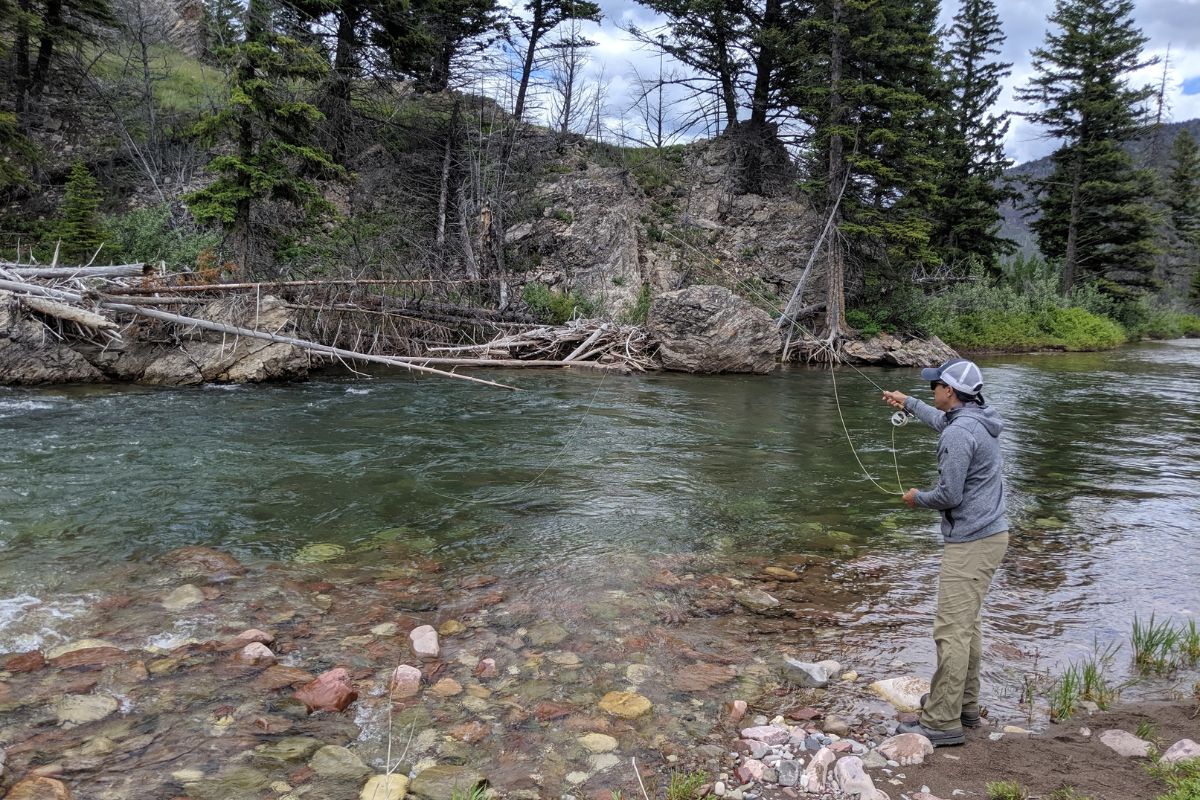
Gates Park and Sun Valley
The first fishing trip on the upper North Fork. Warm days, stable weather, outstanding July water!
August Fishing Adventures
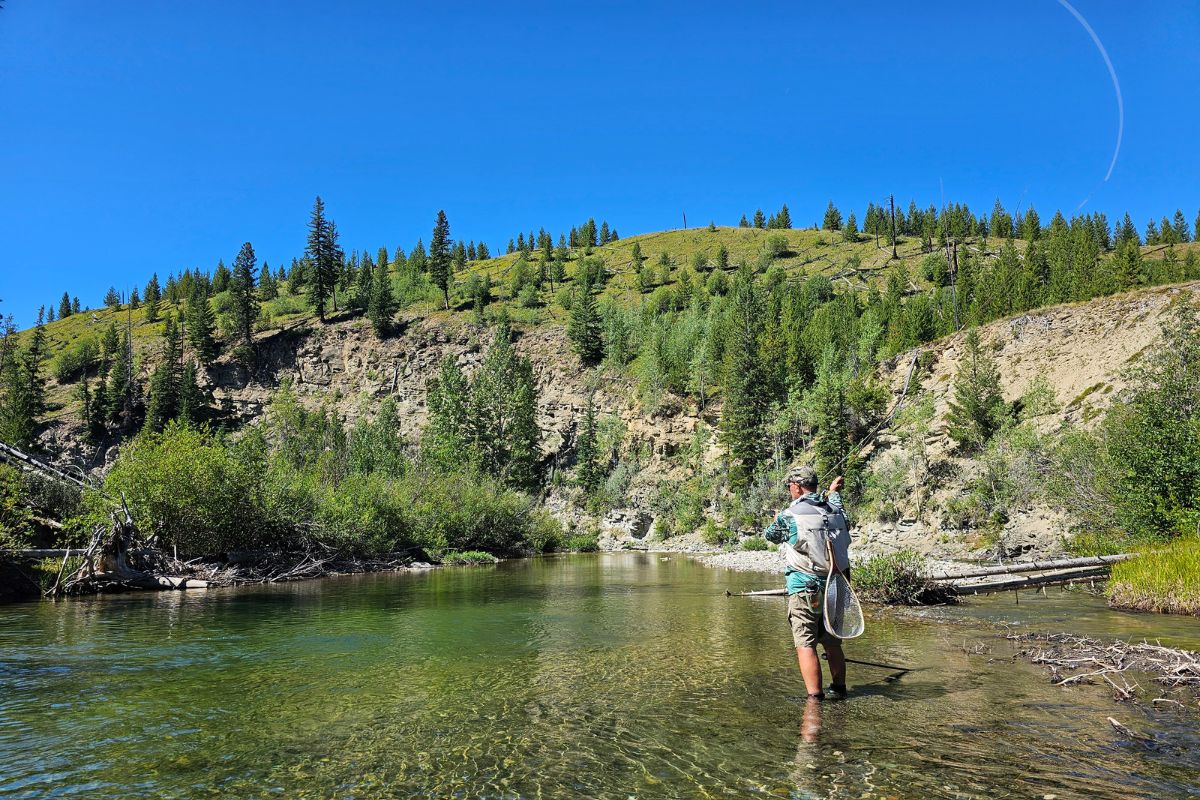
Sun River Exploration
Heat of the summer fishing on the North Fork. Fantastic days, excellent water & peak terrestrials!
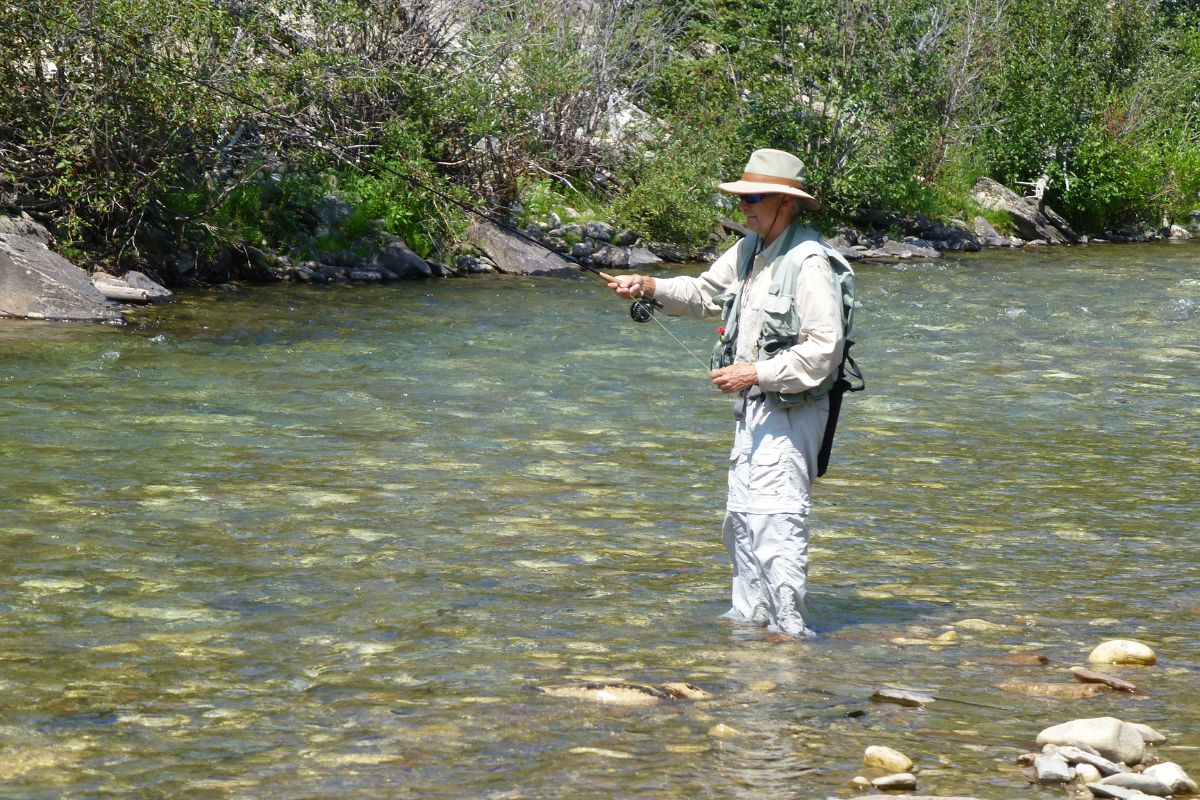
Summer’s Twilight
It may be end of summer but the fishing is as active as ever. Lots of terrestrials, sun and active trout!
Here’s what some of our clients have to say about Circle 8 Outfitters

Fishing the Sun River – Epic!
Great fishing, and the riding was brilliant.
Fish, Fish, Fish…!
Native Westslope Cutthroat Trout Fishing
These are wild trout, with a penchant for unpredictability and quick strikes. They live in these crystal clear waters that are fast and cold. They are fantastic fighters and will make you earn every one you land. They do not give up easily, and it’s hard to imagine a more worthy freshwater competitor! Depending on the stretch of water and whether we’re east or west of the continental divide you can catch any of these species
East Slope Rivers – N & S Fk Sun
Rainbow Trout
Cutthroat Trout
Cut-bow hybrids
Brook Trout
West Slope Rivers – Flathead
Rainbow Trout
Cutthroat Trout
Cut-bow hybrids
Bull Trout (Dolly Varden)
Mountain White Fish
The mountain trout don’t see many people. So, they are pretty open to hitting a lot of different combinations, including dry flies, dry flies and wet fly trailers, and spinning lures. They all work well.
There are so many aspects to fishing the Bob Marshall that make your trip exceptional. The stunning scenery, the seclusion, the lack of competition on the water, and the quantity of trout per mile all contribute to the experience. However, we’ve heard the frantic dry fly action on top of the water is what separates this fishing experience from any other anywhere.
The mountain trout are aggressive, and strike at agitators and other flies resembling terrestrials (grasshoppers, horseflies, deer flies, ants, etc.). They feed all day and hit frequently…and hard.
They hammer the dry flies, frequently breaking the surface, full body. And there is nothing more exhilarating.
We get lots of angler types. Father and son fly fishing trips are popular with our guests, igniting a life-long passion for fly fishing in these young anglers. Fishing buddies going for the next adventure. Decades long accomplished and well-traveled fishermen plying the remote mountain streams. What makes this place special for Montana fishing trips is the remarkable combination of seclusion, abundance of wild trout, and unmatched scenery.
You can fish all day and rarely see anyone else on the river. Our guides take you to great stretches of water, often by horseback, which are pretty difficult to get to any other way. We then can move up and down the rivers at our own pace without any competition or running into anyone else that isn’t fishing with you. The trout are wild, and live in these crystal clear waters that are fast and cold. Many of our fishermen are astounded with the amount of fish they catch on perfect days, and the degree of consistency. The fish vary in size from pan-size, to much larger. They feed voraciously on terrestrial insects, and are unbelievable fighters once you hook them. They race up and down the river, often going airborne fighting the line. It’s an amazing experience.
Seasons and Weather
Water flow
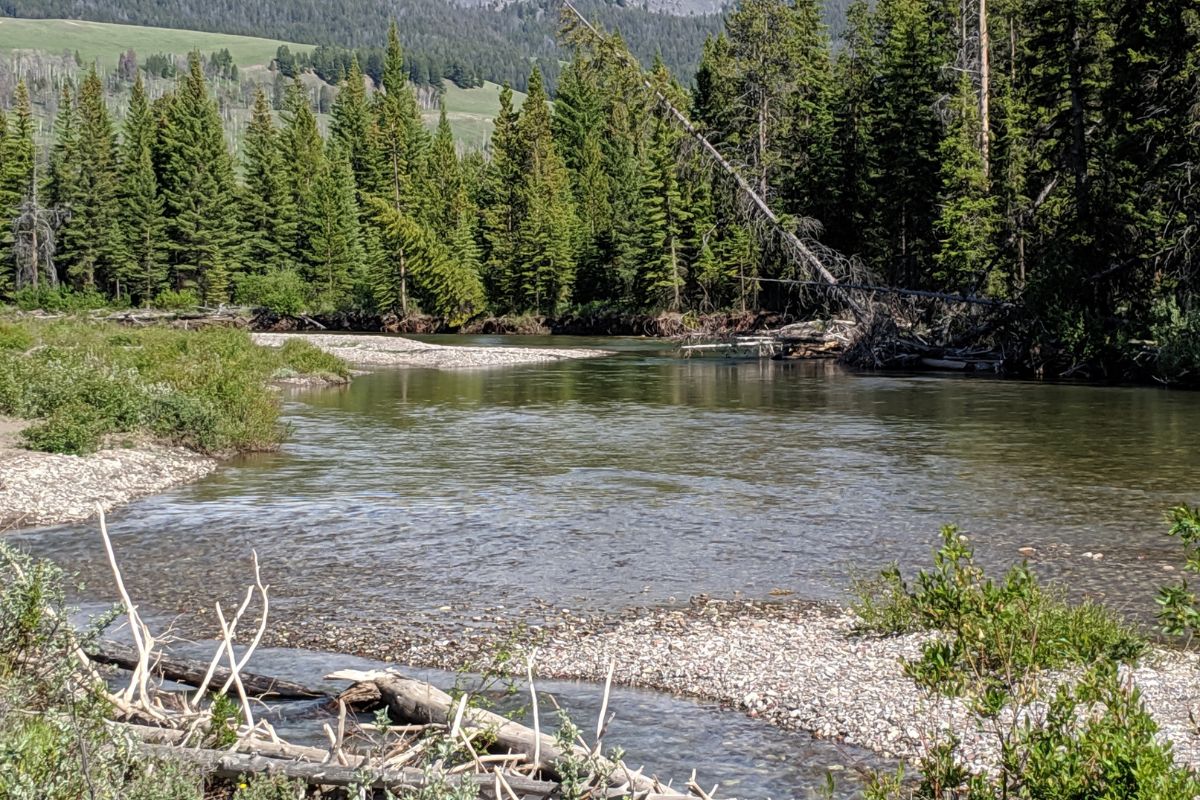
Backcountry summers are pretty short. The snow runoff starts in May and clears by July. The water quality is stable from then through August running clear and cold. The best Montana fishing trips begin as soon as the water clears. The days are warm by then, but the evenings and early mornings can be chilly.
Temperatures
By the time we get into July the water has cleared and dropped. From here on out we consistently see the most consistently good weather. Warm days for terrestrial activity. Cool nights to keep the water cold. Our days gradually warm to the 70-80’s through the end of July and into August.
August is the hottest month in the backcountry. We can get daytime temperatures in the 90’s and mild evening temperatures. We get an occasional thunderstorm in August, but they are fast moving and infrequent. The terrestrial insect population explodes with activity this time of year and can put the trout into feeding frenzies on sunny afternoons. From time to time we get requests for Montana fishing trips around Labor Day. This is a great time to fish, as the nights are starting to cool but the days stay agreeably warm. This is the lowest water flow time of the year, and we seek out the headwaters where the streams are coldest and most predictable.
Recommended Fishing Gear
The quality of action on top of the water is unmatched almost anywhere in the world. We’ve had fishermen travel the world, including South America, Alaska, Russia, and more. They consistently tell us the quality of dry fly fishing action in the Bob Marshall gives no quarter to any other place they’ve ever been. We recommend the brightest agitators that float high on the water, and you will see these trout race out of the depths of the crystal-clear streams and just hammer those flies again and again.
Often you can catch 20 fish in a single river hotspot hole, with each seeming to take a turn at attacking the dry fly. These trout just don’t see that many flies during their short summers, so they don’t seem to care too much – and that makes these waters extra special.
Rods
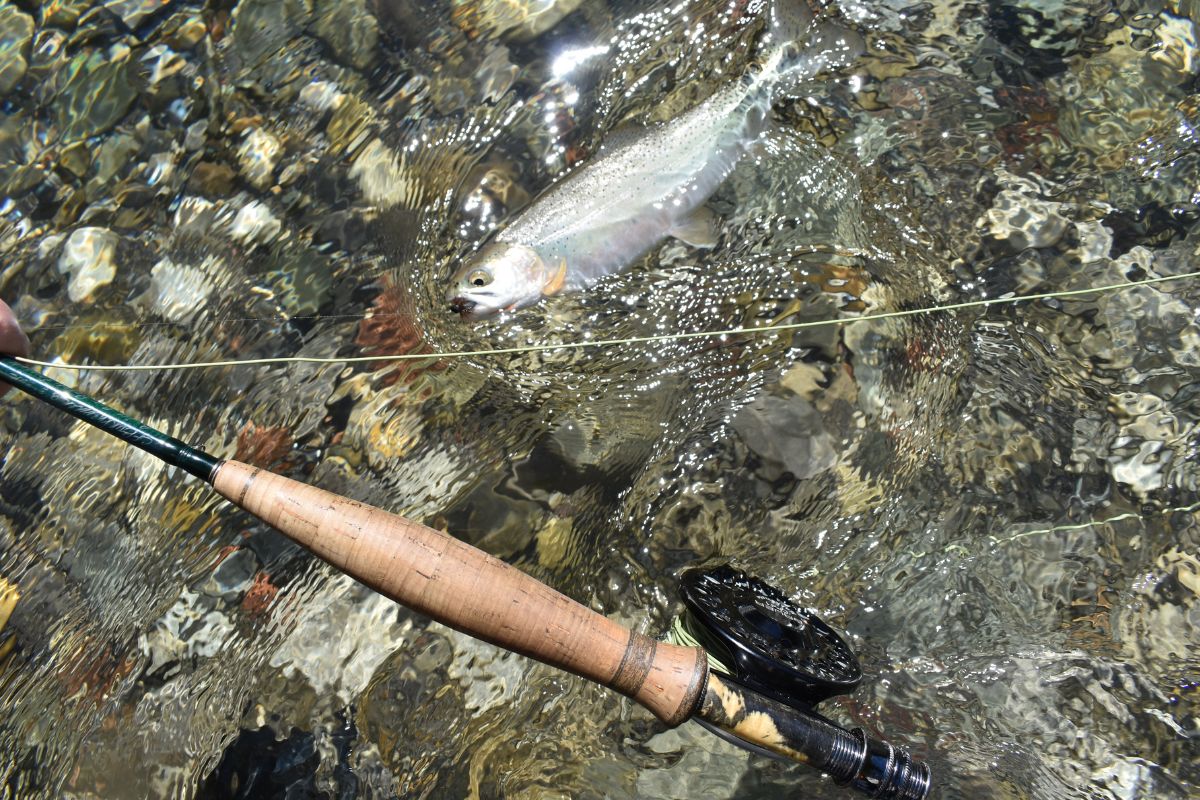
We recommend a 5 weight/9 foot rod with a 6wt forward floating line with several leaders (4x – 5x). 4 wt rods are nice dry fly rods and really nice on smaller streams, but probably shouldn’t be your primary rod. If you have two rods that you like to bring please bring them both.
Reels
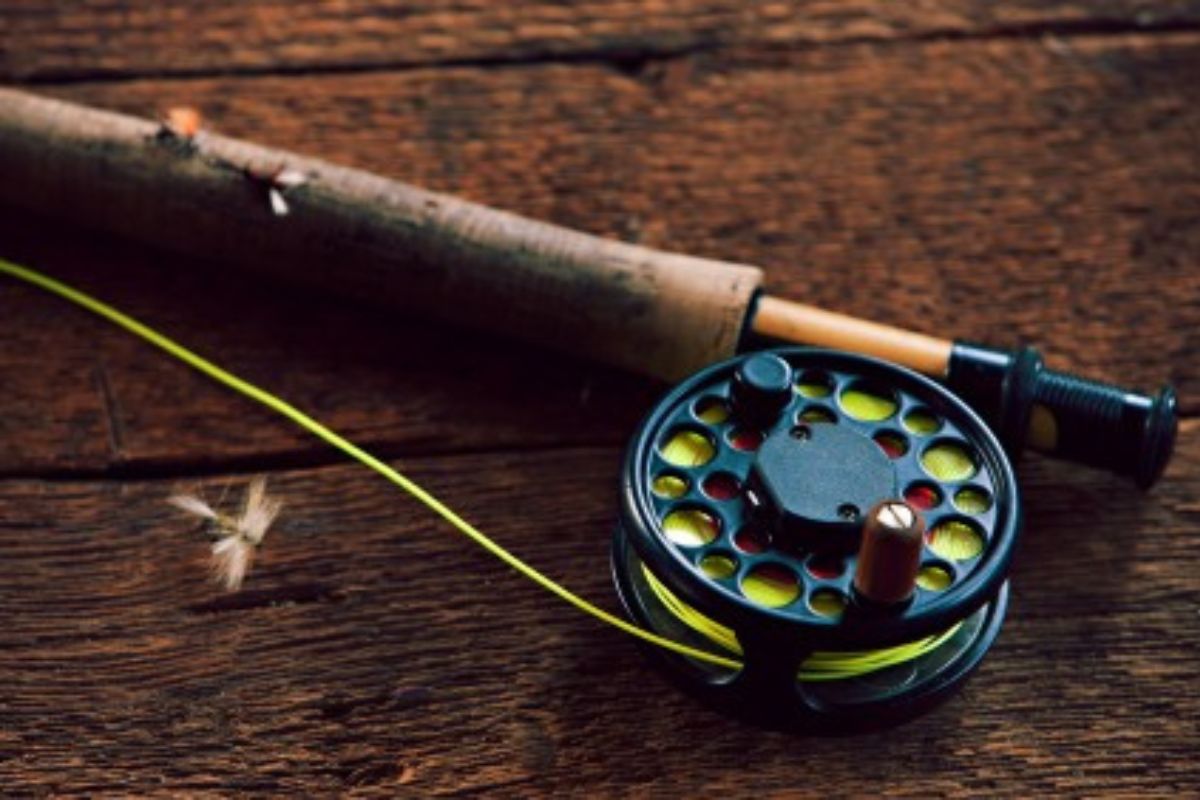
A reel with a decent disk drag is nice. The reel basically just holds your line most of the time so you don’t need the highest cost reel. If cost is an issue put more into the rod than the reel.
Redington and Temple Fork make some nice lower priced reels. Other great reels are made by Ross, Galvan, Lampson, Loop and Orvis.
Waders
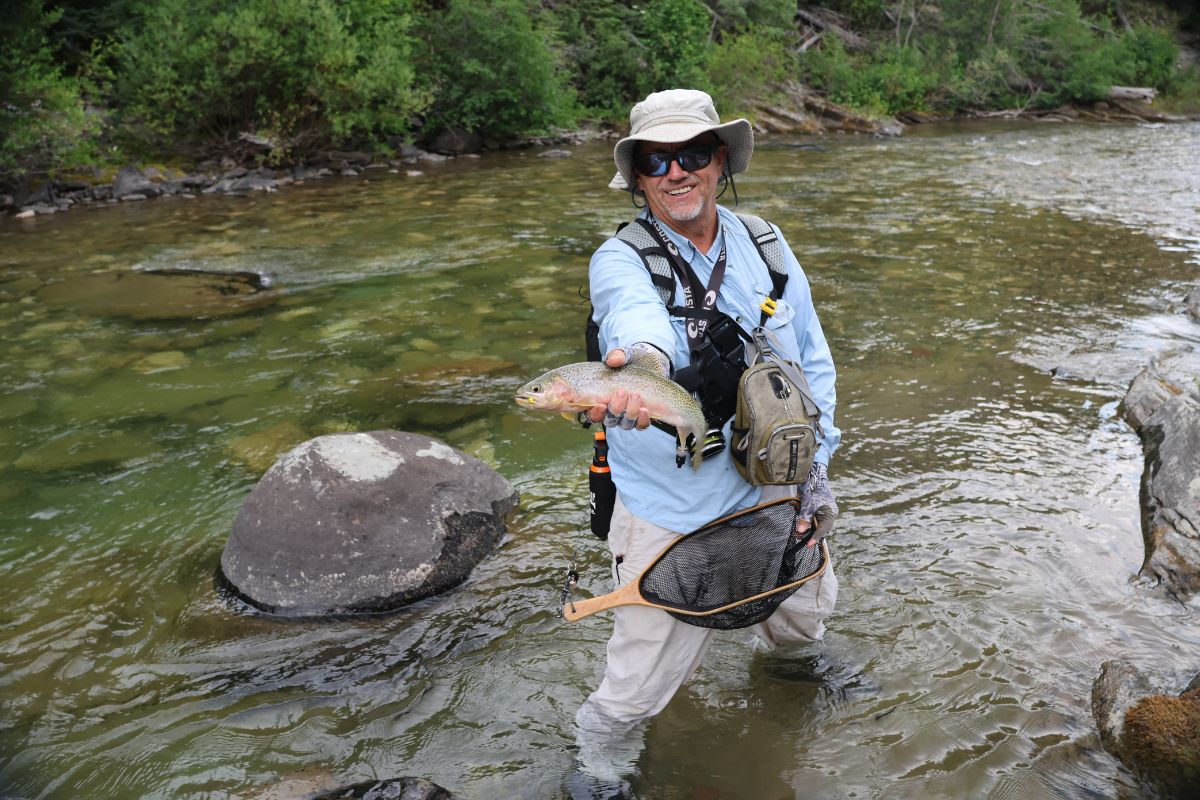
Wading shoes are helpful for wading in and crossing the rivers. We recommend ankle high wading boots, and something with good traction on the soles.
The most common feedback we hear is that waders with traction on wet, slippery rocks and ankle support really help with make your day much more enjoyable.
May people show up with a pair of sun pants or shorts teamed with some neoprene booties or thick socks under wading boots which works.
You are welcome to bring waders but they are not necessary. Many anglers find them too hot to wear, particularly in August.
What else do I need to know about Bob Marshall river fishing?
What activates these fish?
The wilderness fish are not sophisticated, but you’ll want a variety of western/mountain trout patterns from the lists nearby, depending on your fishing preferences (dry, wet).
The most productive flies by far are high-riding floating stimulant flies – Wulffs, Ant, Hoppers, Chernobls etc. These fish love lots of color and will work the top of the water all day long.
Wet flies are equally effective. You will catch a lot of fish on them. And, on cloudy cool days wet flies are probably more effective. Be preparted for either option if you can.
What type of dry flies should I use?
Early Summer
Dries: size 16-18 parachute adams, size 14 elk hair caddis with olive body, size 12 red and yellows Humpies, size 6 rouge salmon, size 8 golden stones, size 12 yellow sallies, royal pmx size 10, purple haze size 14, pale mountain
dunn (pmd) dries and emergers sizes 16 and 14, Chubby Chernoblys size 10- 6
Late Summer
- Foam Joe’s hoppers 10-6, size 10-12
- Sofa pillow stone
- Flying ants (or terrestrial ants) 18-14
- Caddis and bull head caddis 12
- Beetles
- Brown Chernobyl ants 10-6
- Chubby chernobyls size 10-8
- 12-10 Royal PMX
- Stimulators 12
- Adams 18-16
- Purple haze 18-14
- Pale mountain dunn (pmd) size 14-16
- Size 14-12 gray and royal wulffs
- Royal Coachmen size 14-12
- Mosquito patterns size 14-12
What type of wet flies should I use?
There are a couple of options with wet flies. You can run them solo, or you can use them in a floater/dropper scenario. This later strategy does improve your water coverage. However, the droppers are not effective in shallow water where the dry flies can be killer.
- 14 and 16 red and copper copper johns
- 16 and 18 pheasant tails
- cdc baetis emergers
- gold and silver lightning bugs 18-16
- 18-20 micro mayfly
- 16 prince nymphs
- caddis pupae emergers
- 14 and 16 hares ear
- 8 and 6 black and brown girdle bugs
- 8 and 6 black and olive wooley buggers
- 6 zonkers
- 6 sculpin patterns
- clouser crayfish 8-6
What type of lures should I use?
For those wishing to spin fish, we recommend ultra-light rods and reels set up with a 6 lb test line.
Recommended lures include
small 1/8 oz to ¼ oz spinning lures:
• Mepps (red & white, silver, gold)
• Panther martins in a variety of color patterns
What type of leaders do you recommend?
You will go through a fair amount of leader due to the unexpected strength of these fish and the fast water.
Standard nylon leaders are fine (you don’t need fluorocarbon for the leader).
For nymph fishing and dry fly fishing we mostly use 2-4x leaders.
We also use a lot of 7.5 foot 2x and 3x leaders.
When fishing smaller streams and creeks 9 and 12 foot 5 and 6x leaders are most commonly used.
What type of tippet do you recommend?
The most commonly used tippet is 2-5x nylon tippet for dries and 2-5x fluorocarbon for nymphs.
When fishing spring creeks we also occasionally drop down to 6x.
What ancillary gear should I have on the river?
We recommend the following ancillary equipment for your fishing trip.
• Mosquito repellent, sun screen
• Sunglasses
• Baseball or similar hat
• Light waders or light shoes with soles that have traction (like indoor/outdoor carpet, etc) for rocky stream beds and slippery rocks
• Shorts with lots of pockets
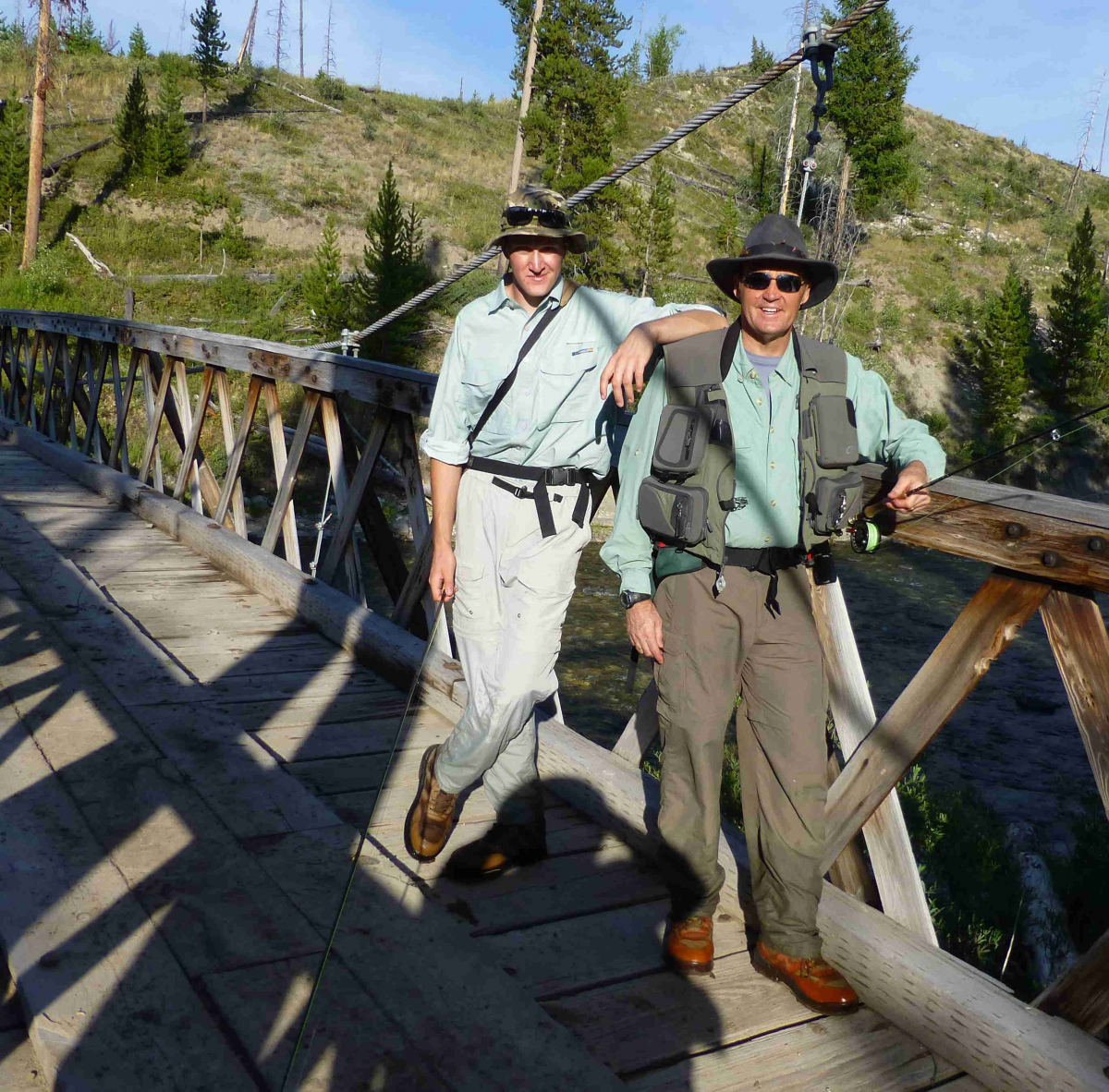
• Fishing vest
• Clippers
• Dry fly floatant
There will be cooler days from time to time on the rivers, so refer to the wilderness camping gear download for appropriate cooler weather gear.
Are these rivers floated by rafts?
The rivers we fish are not floated consistently. The only rivers that are consistently floated are the South Fork of the Flathead the lower Middle Fork of the Flathead. The Sun River tributaries are fast and relatively shallow – not conducive to floating. We occassionally see packrafts in June when the water is high, but it becomes impossible by mid July.
The absence of floaters on our rivers makes for a very private and uncompetitive fishing experience for our fishermen.
What are the rivers like?
The Bob Marshall Wilderness rivers are fast and clear. There are stretches where they meander, but often the weave back and forth between the valley walls creating deep pools where they change course. The stream sizes vary considerably. The North, South, and West Forks of the Sun River are the largest east slope streams. The volume of water ranges from 2,000cfs in early July to around 1,000cfs by end of August for these main streams. We also fish several tributaries of the Sun River, including Rock Creek, Moose Creek, Biggs Creek, and Gates Creek. They are generally flowing at around 50-300cfs.
West side rivers are similar, with the South Fork and Middle Fork Flathead rivers running high at 2,500cfs in early summer and dropping to 800-1,000cfs in the late summer. We primarily fish the Middle Fork and it’s primary upper basin tributaries which include Strawberry Creek, Bowl Creek and Trail Creek.
The headwaters all run a little murky in late June but clear out by early July and will only cloud up with extended rain.
The rivers are not brushy, so you can cast most of the time from the banks. Ocassionally, as with all rivers, you’ll want to get a fly under a log jam and may need to approach that from mid-stream, but the spring high water and minor flooding keep the willows and brush further back. This makes for a unique forgiving environment to learn how to fly fish.
What is the best fishing trip to take?
The fish move up and down the rivers and streams in cadence with water temperatures and flows. There are no barriers to their movement, so they tend to optimize their comfort and feeding habits largely in tune with the rivers and streams. We have a pretty good idea where they’ll be most prevalent based on the time of year, and what their habits are at that time. The trip durations play an important role in the trip itinerary. Shorter fishing trips (5 days) typically go to our Gates Park camp on the North Fork of the Sun River as this is a great campsite a modest ride from the trailhead, and gives us many great options for fishing different stretches of water. Longer fishing trips (7 days) will move to different campsites along the North and South Forks to give additional variety of river stretches.
We match your time frames and particular interests to our fishing trips as best we can. Thus, the best fishing trip changes depending on the week of the summer you come out. For example, the lower Nork and South Forks of the Sun River are great in early summer, but the upper North Fork and Middle Fork Flathead are much better later in the summer.
How do you fish these rivers?
Our fishing is all by wading from bank to bank. Our fishing guides take you to sections of the river for that day’s excursion, often using horses to get to that day’s section of water. Then you just start fishing upstream or downstream. The water can be crossed in almost any place, though you have to chose your footing carefully as the riverbed is rocky and slick. One of the more unique things about our mountain streams is that there are fish in almost every stretch of water – from the deep pools to the faster water. If there is a boulder in the stream they can get behind to rest, you can bet there is a trout resting there.
We frequently get questions about wearing waders, which I find unnecessary. I do recommend wading shoes that have a lot of traction on slick rocks. More on the gear further down.
What fishing gear and attire are recommended?
The nearby fishing document summarizes our recommendations on what to bring. Plan for clear, sunny days on the river. Lots of wading back and forth across the river. Some brush in the valley bottoms. You will definitely want a fishing vest with lots of pockets.
What if I've never ridden horses before?
That’s quite common for us. About 50% of our guests have never ridden before, and another 25% haven’t been on a horse in over 20 years. We’re used to having new riders. Our stock is very gentle, and well adapted to the trail. They get us from one camp to the next in a safe manner.
What is provided?
Our trips are all-inclusive for the camping, meals and transport. We provide all necessary camping gear, cooking gear, tack, etc. All you need to bring are your personal effects, sleeping bag, and sleeping pad. We do not normall provide fishing gear but we have some gear available to rent if you’re just getting into it.
What kind of fish will I catch?
We have primarily trout – cutthroat, rainbows, some hybrids (cut-bows), brook trout, and yellowstone cutthroat. On the west side rivers we catch mountain white fish and ocassional bull trout. They are 10-20″ in length, and world class fighters. The rapid water flow and cold water temps keeps them active all day and in excellent shape.
What is the weather like in the summer?
Prime fishing season is from July through end of August. The temperatures are in the mild range – 70’s and 80’s mostly. We do get afternoon thunderstorms in August. They rarely have any effect on the fishing, other than you want to take shelter until the storm passes – usually 30 minutes or so. In the rare event the rivers get a little cloudy they are cleared up by early afternoon the next day.
How rigorous is this trip?
This is not a particularly physically demanding adventure. This is spectacular mountaineous country, but with the use of horses we get around relatively easily. You will want to be able to hike, as the river wading is all on foot, and you will ocassionally want to hike from camp to fish. Of course, you will also need to be comfortable sitting on a horse as the ride into or between camps is often 4 hours (we take many rest breaks). But, many of our fishermen come into their 80’s as this is a great way to get far from people and have a phenominal fishing experience, often when you cannot walk that far anymore.
What do non-fishermen do on this kind of trip?
We often have non-fishermen join a trip. There are so many things to do when the fishermen leave camp. Our guides will take those people on hikes, day rides, or other adventures to nearby points of interest. It works great, and is limited only by your imagination on what appeals to you that day.
What is a typical day on a fishing trip?
A typical morning begins with a hearty breakfast in camp, and depending on how close we are to the river, we either walk or ride horses to our destination. Out here, you can fish upstream, downstream, ripples, holes, or whatever your prefer. The fish are everywhere and will be active at different times of day depending on air temperature, light or shadows on the water, terrestrial insect activity among other factors. This makes for quite a variety in activity at different times of day and in different stretches of the streams.
After a sack lunch in a shady spot along the river, you have the rest of the afternoon to continue fishing with almost no one else on the water with you. You will occasionally see deer, elk, and assortment of birds of prey, and perhaps even a bobcat along the river, but you will rarely see another person. After getting back to camp the often well deserved happy hour, a filling and delicious dinner is served in the early evening.
The day is capped with camaraderie, stories, and general good fellowship around the campfire. Some guests like to keep fishing until dark, which can be pretty late in Montana’s northern latitude. Often, we find that people want to stay up extra-late one clear evening to see the vast Montana evening sky. It mostly defies characterization due to the vastness of the stars, the depth of the Milky Way galaxy, and the absolute absence of any light pollution. Montana is often referred to as Big Sky Country, and our night-time skies are unbelievably rich with star gazing opportunity.
Returning from a great day
What about lake fishing?
We have some really cool mountain lakes hidden all across the Bob Marshall. On the east side, there are a few old beaver dams that have fish. Our larger lakes up under the Chinese Wall have sufficient habitat but have not been planted with fish in many years, and the trout have largely disappeared from those lakes.
Ready for an Amazing Fishing Experience?
Amazing scenery. Unspoiled landscapes and water. Superb fisheries. Comfortable camping. Join us for an unforgettable adventure!